One question in particular stayed with me: “What does it mean to know?” That question drew me to the study of epistemology, the philosophy of knowledge, during my dissertation research in graduate school. I became interested in the difference between understanding something and feeling certain about it. That distinction seems especially useful when considering a film about someone we have watched, heard about, and discussed for years.
Many viewers will arrive at the theater, as I did, already familiar with Holmes’s story. Alex Gibney’s (2019) documentary, The Inventor: Out for Blood in Silicon Valley, examined her and her company, Theranos. That same year, ABC News launched The Dropout, a podcast hosted by Rebecca Jarvis. Its reporting became the basis for Hulu’s 2022 miniseries of the same name, with Amanda Seyfried playing Holmes (ABC News, 2022).
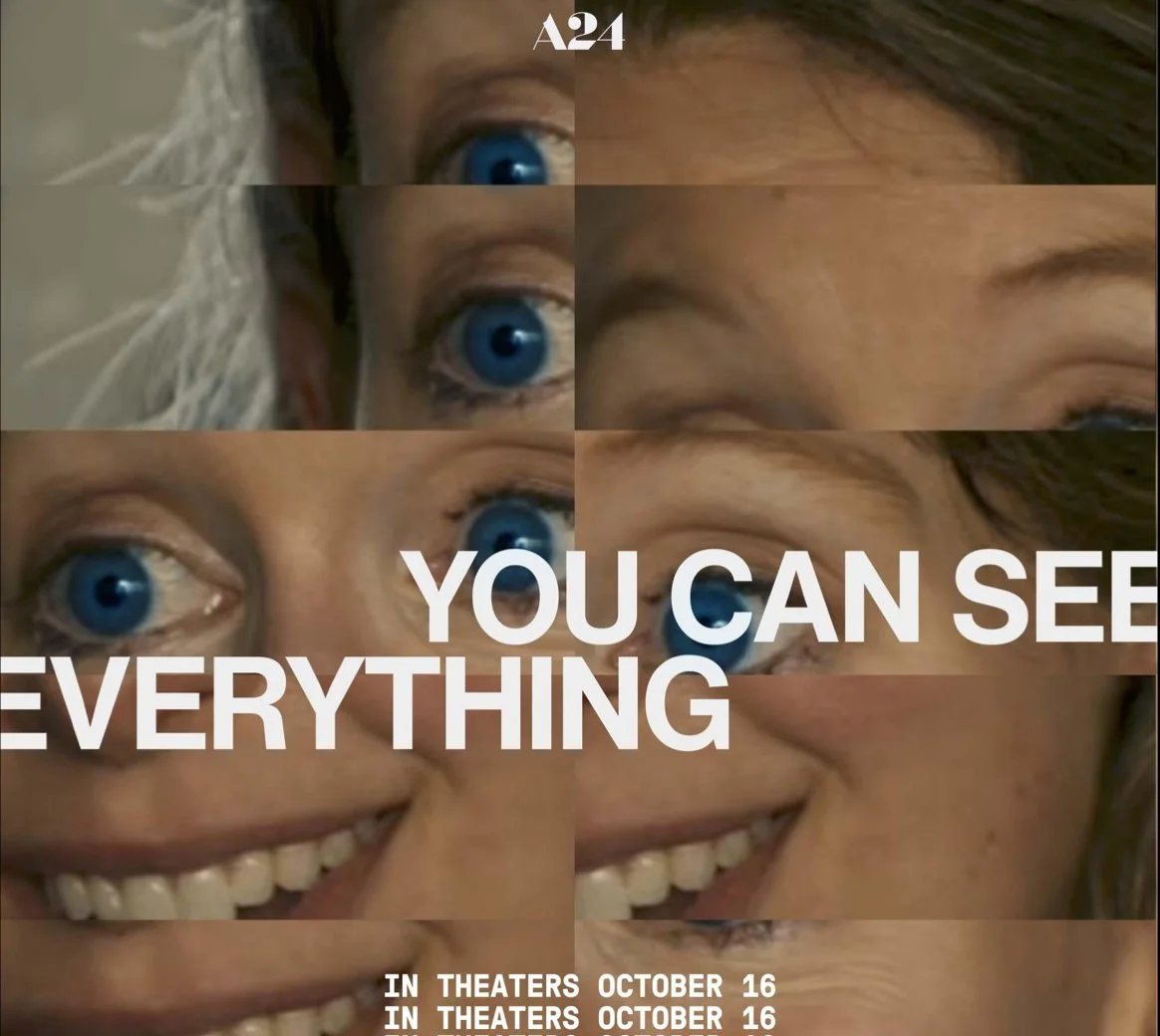
In You Can See Everything, we immediately recognize Holmes’s voice, stare, presence, and carefully maintained image. Interviews, documentary footage, and scripted scenes may blend together in our memory. We might feel that we know her without remembering exactly how that familiarity developed.
Sorting out those sources is part of evaluating what we believe about her. So is recognizing when her account of herself conflicts with documented facts.
At one point, Holmes insists that she has never lied. Even when Fielder presses her about ordinary little fabrications, she maintains her position (Ford, 2026). This is a truly extraordinary assertion from someone convicted of one count of conspiracy to defraud investors and three counts of wire fraud.