I have walked almost every day for over forty years, including the past twelve on Eugene’s Ruth Bascom Riverbank Path System. I’m now retired and these walks remain essential to both my physical and emotional health, but the path no longer feels as safe as it once did. Several years ago, I began hugging the right side out of fear that a speeding cyclist might run me over. With e-bikes now racing along the same shared space, my concern has become even more urgent and I ask: Is this how I die?
That scenario seems even more plausible after the September 8 report in Lookout Eugene-Springfield about the planned overhaul of PeaceHealth Rides, our local bike-share program. Its operator hopes to replace the current fleet with 400 to 500 new bicycles by spring 2028, likely divided evenly between conventional bicycles and e-bikes. The e-bikes would have maximum speeds between 15 and 20 miles per hour. This could put 200 to 250 city-sanctioned e-bikes into circulation, including in the hands of first-time and inexperienced riders.
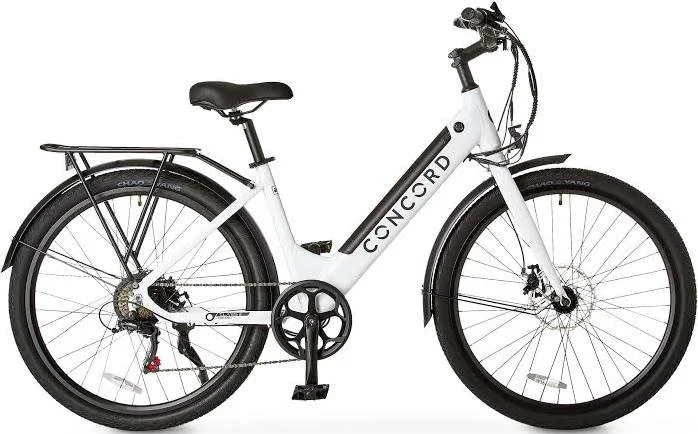
But let’s take a step back. Before Eugene embraces any such expansion, we should be clear about what an e-bike is. Oregon recognizes three classes, two of which stop providing electric assistance at 20 miles per hour. Class 3 provides pedal assistance up to 28. Then there are e-motos, powerful electric motorcycles often mistaken for e-bikes. Eugene says a throttle-powered vehicle without usable pedals is not legally an e-bike, even if its maximum speed is 28 miles per hour or less. E-motos are prohibited on Eugene paths, sidewalks, bike lanes and park trails.
On a shared path, Eugene says e-bike riders should travel no faster than 12 miles per hour when other people are present. Twenty miles per hour is allowed only when the rider is alone on the path. Cyclists must yield to walkers, pass on the left and give an audible warning. E-bikes are prohibited on sidewalks, and riders must be at least sixteen years old.
Despite the prevailing rules and laws regarding e-bikes, however, I don’t think concerns about my personal well-being are unreasonable. There are increasing numbers of reports surfacing that e-bikes are responsible for serious injuries to pedestrians. For example, earlier this year an 81-year-old Vietnam vet in Orange County, California, was killed by a 14-year-old driving recklessly on an electric motorcycle.
And then there is well-documented evidence about the negative consequences to e-bike riders themselves. An August 2026 NBC News report found that emergency-room visits involving e-bike and e-scooter injuries among children and teenagers had increased by more than 600 percent in three years. Head and neck injuries were among the most common. A Wisconsin pediatric emergency physician said accidents he once saw only occasionally had become a daily occurrence.
The local figures are equally sobering. As the Register-Guard reported in August, PeaceHealth Sacred Heart Medical Center treated 13 people for e-bike injuries in 2023 and 48 in 2025, an increase of roughly 250 percent. More than half of the injured riders in both years reportedly were not wearing helmets. Doctors are treating broken ribs, fractures, severe head injuries and facial trauma once associated mainly with motorcycles.
I recognize that many riders use e-bikes responsibly and that the technology can replace car trips or make cycling possible for older adults and people who are unable to ride conventional bicycles. A properly managed bike-share program might offer some advantages over privately-owned machines. But before adding hundreds of e-bikes, PeaceHealth Rides and its public partners should explain how they will verify riders’ ages, teach path rules, enforce the 12-mile-per-hour limit and respond when rented machines are used recklessly.
That Lookout report raises an even more alarming red flag. Brodie Hylton, executive director of Cascadia Mobility, said future options might include e-scooters or what he called a “pedalless e-bike.” Under Eugene’s own published definition, however, a throttle-only vehicle without usable pedals is not an e-bike. If officials are considering such vehicles, they must say precisely what they are proposing, where the vehicles could legally be ridden and how they would be kept off prohibited paths. A catchy new label cannot turn an electric motorcycle into a bicycle.
To keep both riders and pedestrians safe, Eugene needs more than a website, signs, educational campaigns and polite reminders. The city needs visible enforcement, including speed monitoring, citations for reckless riding and meaningful consequences for illegal e-moto use. Any PeaceHealth Rides expansion should include enforceable speed controls, clear identification of each vehicle and a system for suspending users who endanger others.
Rules that are not enforced are merely suggestions, and these suggestions offer little real protection to me as I walk beside the river. Eugene should address these issues before spending millions of dollars and placing hundreds of additional electric vehicles on our bike paths. It should not wait for me (or any other innocent bystander) to be killed before deciding that enforcement matters.
Editing Note: After posting a version of this essay on September 7, 2026, the very next day Lookout Eugene-Springfield reported out on the developments with PeaceHealth Rides. I subsequently revised the piece, and the final version is what you find above.
How could I forget to mention The bicycle is a good invention Sitting there in a silent movie Beside the only girl who really ever knew me Happy days, but sad I’m facin’ Heaven knows I’m on the case, oh How could I forget to mention the bicycle?